
How to Store a Boat Outside in Winter
How to Store a Boat Outside in Winter
ADMIN
February 27th, 2026
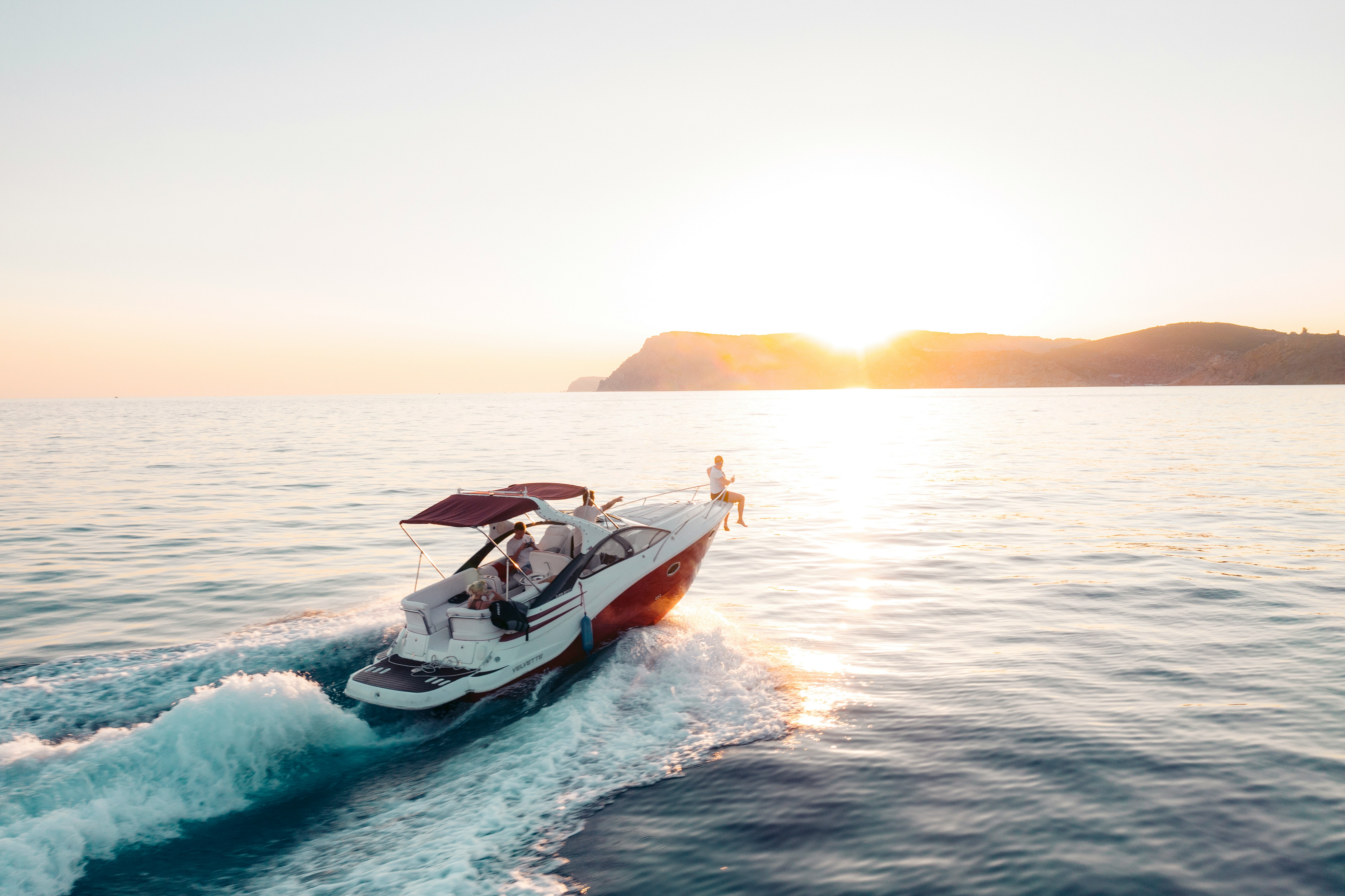
Storing a boat outside through winter is common, especially when indoor space is limited. The tradeoff is exposure. Cold, wind, snow, and UV light all work on the hull and hardware over the season.With some planning, outdoor storage can still protect your investment and keep spring launch day from turning into a repair list.
Why outdoor winter storage needs a plan
Boats are built for water, but not for sitting still with water trapped in lines and compartments. Freezing temperatures can crack hoses and fittings. Snow adds weight. Leaves and standing water stain and degrade surfaces.The National Marine Manufacturers Association stresses that winterization and proper covering are critical steps to prevent damage during off season storage.
External reference: https://www.nmma.org/boat-basics/boat-winterization
Step 1: Clean above and below the deck
Give the hull and deck a thorough wash to remove algae, dirt, and salt. Clean the interior, including storage compartments and live wells. Remove food, paper, and other items that can attract pests.A clean surface handles winter better and makes it easier to spot issues when you inspect the boat mid season.
Step 2: Drain all water systems
Bilges, live wells, freshwater tanks, and any onboard plumbing should be drained completely. Use marine grade antifreeze where recommended by the manufacturer.Any water left inside can freeze, expand, and damage fittings or pumps.
Step 3: Winterize the engine and fuel system
Change the oil and filters. Add a marine fuel stabilizer, then run the engine so treated fuel reaches injectors or carburetors. Fogging the engine may be recommended for some setups.If you already store a car or truck for the off season, the article on how to prep your vehicle for seasonal or long term car storage is a helpful companion. The same thinking about fuel, batteries, and long rests applies to boat engines.
Step 4: Choose a proper cover and support
Use a fitted boat cover or have the boat shrink wrapped by a professional. The cover should shed water and snow, not collect it.Support poles or a frame help maintain the shape of the cover so it does not sag under snow load. Gaps in the cover invite wind driven rain and debris.
Step 5: Position and support the boat correctly
If the boat sits on a trailer, check that bunks or rollers support the hull evenly. Raise the bow slightly so water runs off. Chock the wheels so the trailer stays put.If you use blocks and stands, follow manufacturer guidance or ask a marine pro. Uneven support can stress the hull over time.Outdoor gear takes up space quickly. If your driveway or side yard is crowded, you might pair boat storage with a unit for gear and seasonal equipment. National Storage’s post on seasonal equipment storage solutions offers ideas for rotating all that supporting gear so it is not piled around the boat.
Step 6: Pick the storage location
Choose a spot with good drainage so meltwater does not pool around the trailer. Avoid placing the boat under trees that drop heavy branches or constant debris.If you prefer not to keep the boat at home, some storage facilities offer outdoor parking alongside standard units. To see which National Storage locations may work for your setup, you can start with the locations page.
Letting your boat rest without regret
Outdoor winter storage is always a compromise, but it does not have to be a gamble. Clean surfaces, dry systems, a sound cover, and solid support go a long way. That way, when the ice melts, your attention can go to planning the first trip, not fixing avoidable damage.
Categories