
How to Store Baby Clothes Long Term
How to Store Baby Clothes Long Term
ADMIN
February 27th, 2026
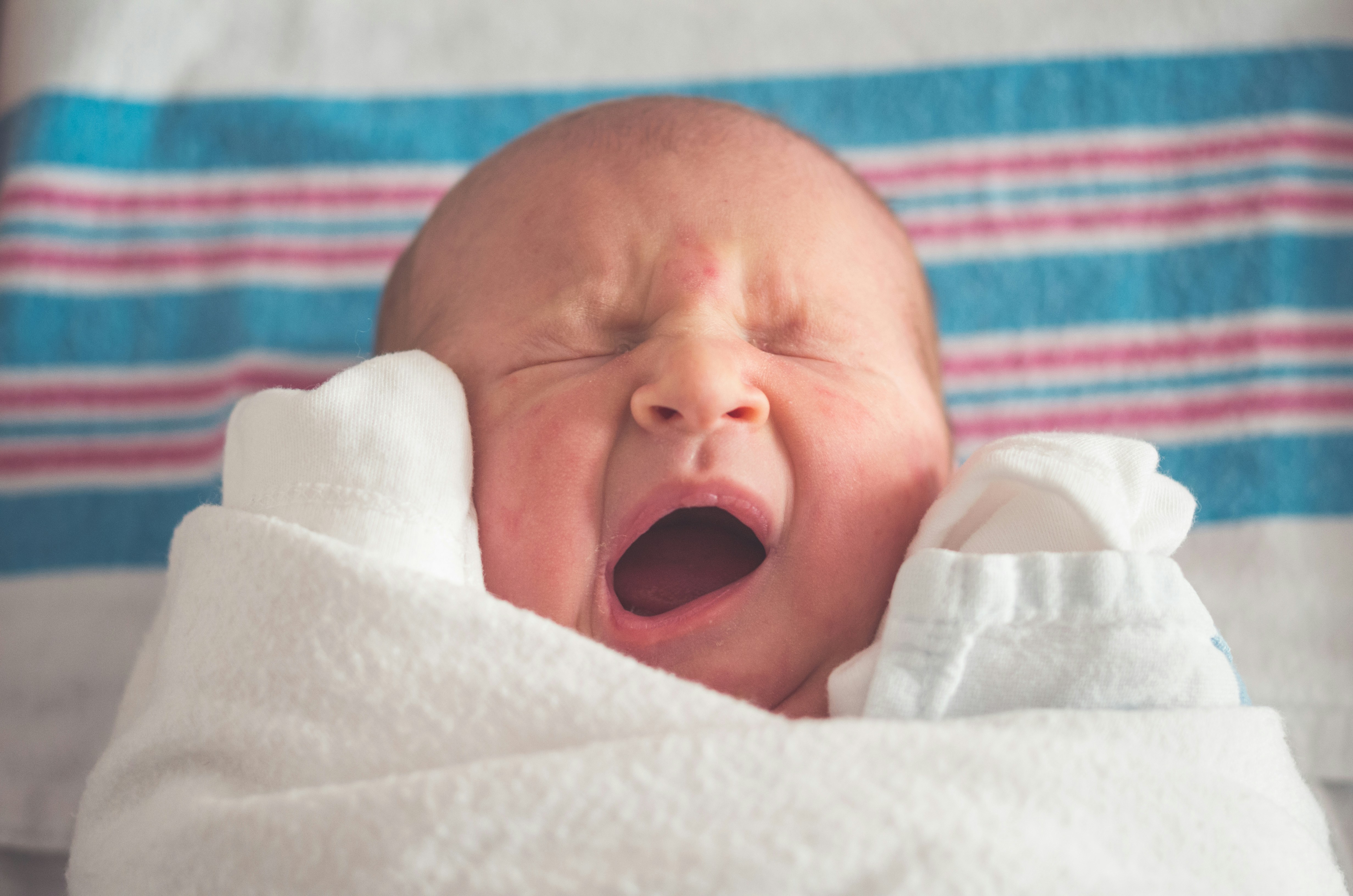
Baby clothes are small, but they carry big memories. Many parents want to save favorite outfits for future kids, grandkids, or simply for the story behind them. Long term storage can work well as long as the clothes come back out clean and intact, not yellowed or musty.Care on the front end keeps those tiny outfits ready for their next chapter.
Why baby clothes need extra attention
Baby clothes often have hidden stains. Formula, milk, and body oils can soak into fabric even when they look clean. Over time, those residues can darken and show up as yellow patches if clothes are stored without proper washing.The American Cleaning Institute notes that residues left in fabric can oxidize in storage, causing discoloration that becomes much harder to remove later.
Step 1: Sort what is worth keeping
Not every onesie or tiny sock needs to stay. Separate clothes with real sentimental value or that you realistically expect to reuse.If you are trying to clear space for a nursery or simply get ahead of clutter, National Storage’s guide on how to make room for baby has practical ideas for deciding what to store, what to donate, and where to put larger items.
Step 2: Wash and fully dry everything
Wash baby clothes in a mild, fragrance free detergent. Treat any visible stains, especially around collars, sleeves, and bib areas. Make sure clothes are completely dry before packing.Avoid using strong fabric softeners or heavy fragrances before storage. Those scents can linger and may not be welcome years later.
Step 3: Use the right storage containers
Choose containers that protect clothes but still allow fabric to breathe. Plastic bins with loose fitting lids or small ventilation points work better than airtight bags.Line the bottom of bins with acid free tissue paper and place more tissue between layers if you are storing delicate or heirloom pieces.Avoid plain cardboard boxes for long term clothing storage. Cardboard can attract pests and absorb moisture.
Step 4: Label and organize by size
Group clothes by size or age range. Label each bin clearly so you can grab the right set without opening everything.Include a simple note inside each bin with a quick list such as “0 to 3 months, everyday outfits” or “special occasion pieces.” That tiny step makes it easier to pass items along or reuse them later.If you want more ideas on managing all the extra gear that comes with a new baby, the post on stress free storage solutions for new parents is worth a read.
Step 5: Choose a good storage environment
Baby clothes do best in a cool, dry place away from direct sunlight. Avoid spots with large temperature swings, such as unfinished attics.If closet space at home is limited, a small storage unit can hold bins of clothing along with larger items like strollers or nursery furniture. You can view National Storage locations to see what is nearby.
Keeping outfits ready for the next little one
The goal is simple. Clothes should come out of storage looking and smelling as close to “freshly washed” as possible. Careful cleaning, breathable containers, and a dry, stable environment get you most of the way there.
Categories