
How to Store Gas Powered Equipment Safely
How to Store Gas Powered Equipment Safely
ADMIN
February 27th, 2026
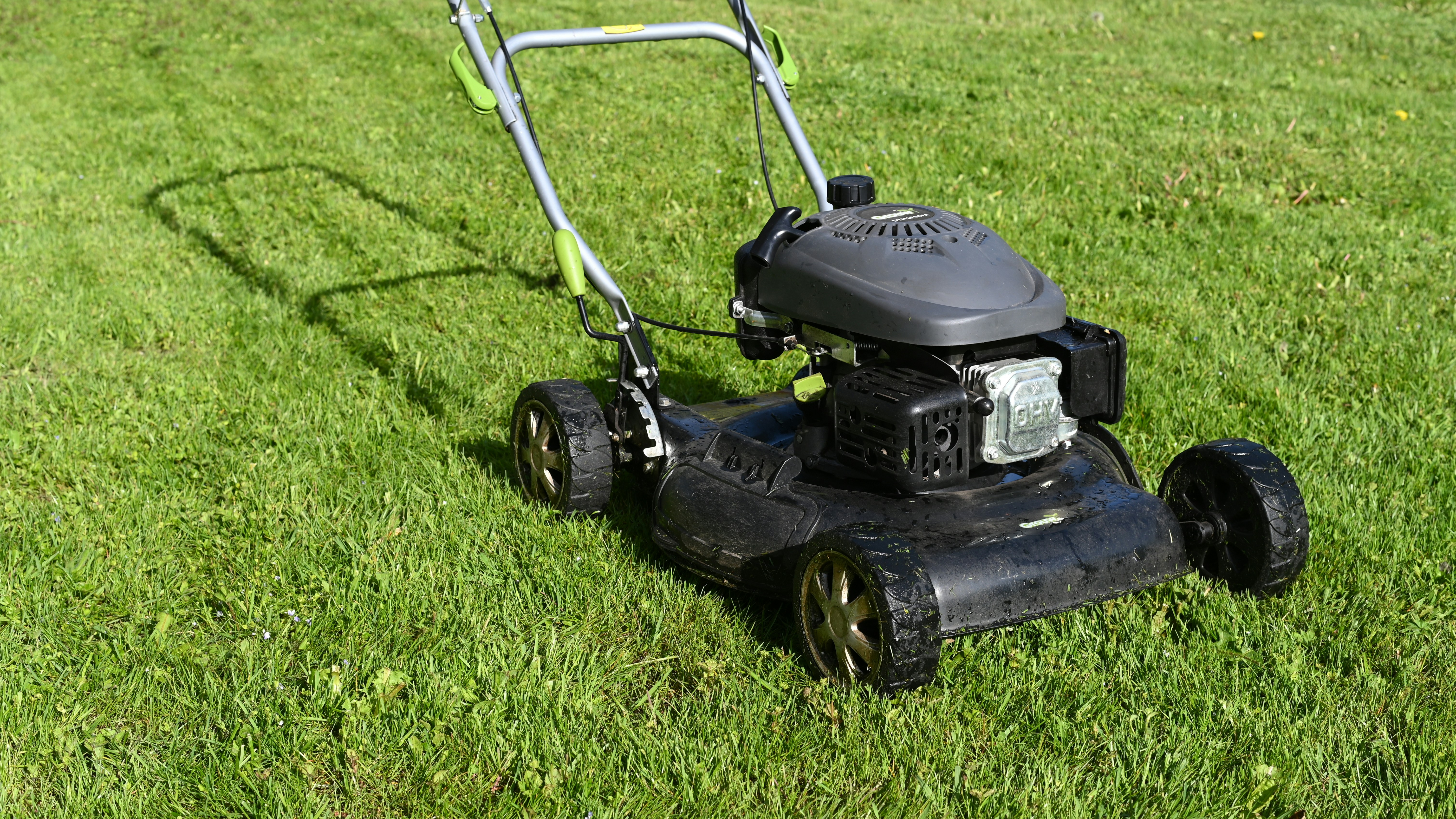
Gas powered equipment does the heavy lifting in many yards and garages. Mowers, trimmers, generators, blowers, and similar tools save time during the busy months, then spend long stretches sitting still. Those quiet months are when fuel issues, rust, and moisture damage usually show up.Storing gas powered gear properly keeps it ready to start when you need it, instead of turning the first day of yard work into a troubleshooting session.
Why fuel care matters
Gasoline does not stay fresh forever. Over time it breaks down and leaves gummy deposits in carburetors and fuel lines. Ethanol blends can pull in moisture from the air, which leads to corrosion inside the engine.According to the Equipment and Engine Training Council, stale fuel and improper storage are among the leading causes of small engine failure after a layoff period.
Step 1: Decide to drain or stabilize
There are two basic approaches.For shorter storage periods, add a fuel stabilizer to the tank, then run the engine for several minutes. This draws treated fuel through the carburetor and lines.For longer storage, many mechanics prefer draining fuel completely. That means emptying the tank and running the engine until it stalls so the carburetor runs dry.Pick one method and follow it consistently for each piece of equipment.
Step 2: Change oil and check filters
Old oil holds contaminants that do not belong sitting on internal parts for months. Change the oil according to the manual, especially on generators and riding mowers.Check or replace air filters and fuel filters at the same time. Clean filters help engines start easier when you bring them back into service.
Step 3: Clean equipment before storage
Brush off grass, mud, and leaves. Wipe down handles, decks, and housings. Pay attention to areas where clippings collect, since that is where moisture tends to sit.Clean equipment is less likely to rust and does not attract pests as easily.If you are also putting away grills or outdoor cooking gear, it is worth reading through National Storage’s gas grill winter storage tips for more ideas on cleaning and protecting equipment that lives outside.
Step 4: Protect spark plugs and batteries
Remove spark plugs, add a few drops of oil into the cylinder, and pull the starter cord a couple of times. This coats internal surfaces and helps prevent rust.For equipment with a battery, disconnect it and store the battery in a cool, dry place. That simple step can extend its life significantly.
Step 5: Store in a safe, dry location
Gas powered equipment should live in a well ventilated, dry space away from open flames. Do not cram machines so tightly that you cannot move them without bumping controls or fuel lines.If your garage or shed is packed, a storage unit can give you extra room to line things up properly. You can view all National Storage locations and pick one near your home.
Step 6: Rotate and group seasonal gear
It helps to group equipment by season. Summer tools in one zone. Winter tools in another. That way you are not dragging everything out at once.If you are managing bikes, sports gear, and lawn tools on top of engines, take a look at National Storage’s seasonal equipment storage solutions article. It offers simple ways to use racks, shelves, and tubs so gear does not pile up in the middle of the floor.
Giving your engines a smoother off season
Gas powered equipment is easiest to own when it starts on the first pull after a break. That usually comes down to fuel care, cleaning, and placing it somewhere dry and organized. Once those habits are in place, winter prep becomes a quick routine instead of a guessing game.
Categories