
How to Store Wood Furniture Without Climate Control
How to Store Wood Furniture Without Climate Control
ADMIN
February 27th, 2026
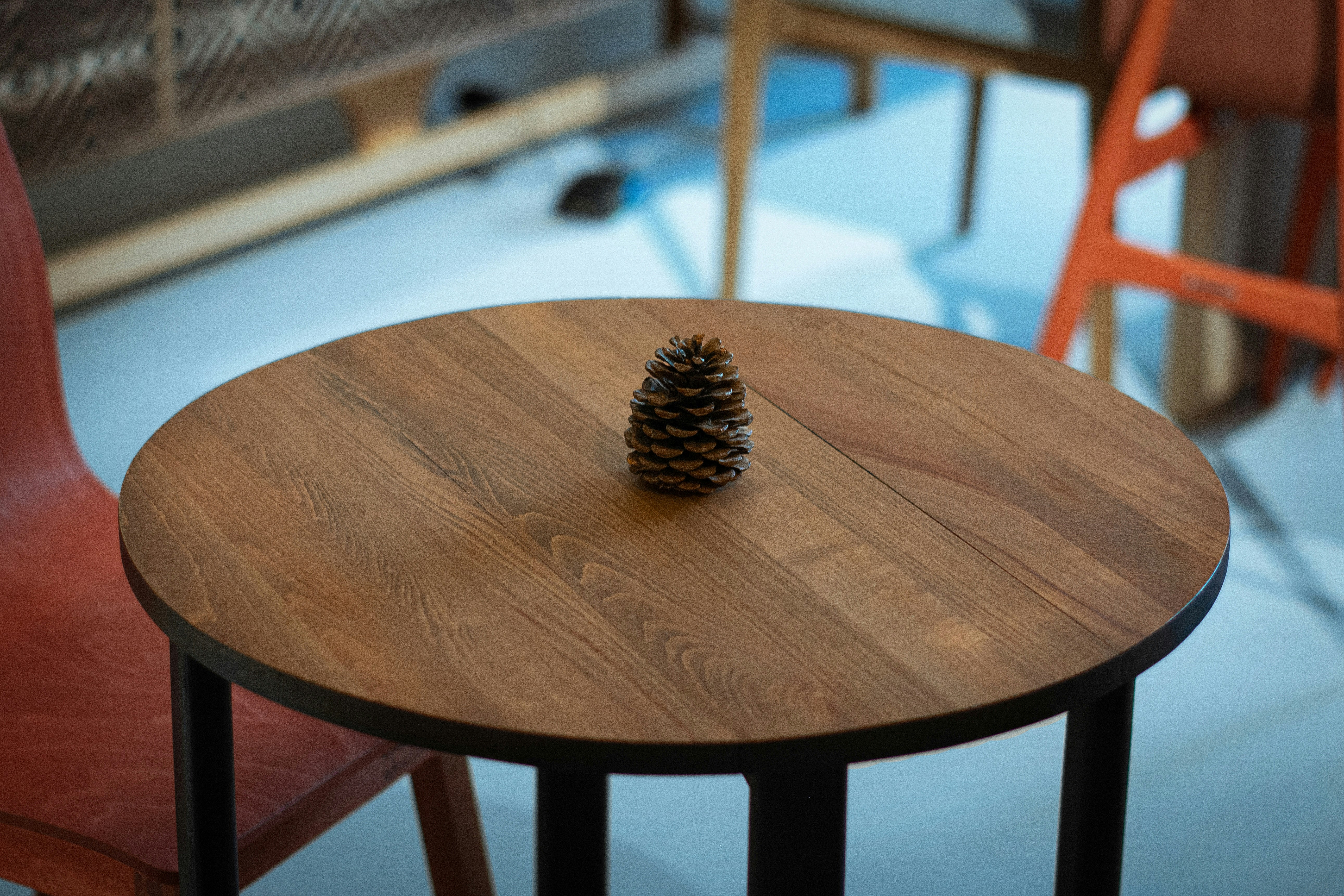
Wood furniture can be stored without climate control, but it needs more planning than people often expect. Wood responds to moisture and temperature changes even when it looks solid and sealed. Over time, those changes can loosen joints, crack finishes, or cause subtle warping that only shows up when the piece is moved back into daily use.When climate control is not available, the goal shifts from perfect conditions to damage prevention.
Why wood furniture reacts in storage
Wood naturally absorbs and releases moisture from the air. In non climate controlled units, humidity levels rise and fall with the seasons. That movement stresses joints, veneers, and finishes, especially on older or solid wood pieces.Rapid swings cause the most damage. A damp summer followed by a dry winter can pull wood in opposite directions. Understanding this behavior helps you prepare furniture in ways that slow those changes.If you are planning to store items for an extended period, it helps to think long term instead of just packing fast. National Storage outlines practical considerations in The Top Tips for Storing Items for the Long Term, which pairs well with storing wood furniture without climate control.
Clean wood surfaces thoroughly
Before storage, remove dust, oils, and residue from every surface. Dirt traps moisture against finishes and encourages mildew in humid conditions.Use a mild wood cleaner or a slightly damp cloth, then dry the furniture completely. Avoid soaking the wood or using harsh chemicals that strip protective finishes.According to the Wood Database, excess moisture and residue left on wood surfaces increase the risk of finish damage and structural stress during long term storage.
Disassemble furniture when possible
Taking furniture apart reduces stress on joints and makes storage safer. Remove table legs, bed frames, shelving supports, and detachable trim when practical.Store hardware in labeled bags and tape them to the underside or interior of the furniture. This prevents lost parts and avoids unnecessary pressure on connection points.
Use breathable protection
Cover wood furniture with moving blankets, cotton sheets, or furniture pads. These materials protect against dust while still allowing air circulation.Avoid sealing wood furniture tightly in plastic. Trapped moisture accelerates mold growth and finish damage when temperatures fluctuate.For tabletops and flat surfaces, place cardboard between padded layers to prevent pressure marks.
Keep furniture elevated off the floor
Concrete floors release moisture even when they appear dry. Wood placed directly on concrete can absorb that moisture over time, leading to swelling or staining.Use pallets, boards, or shelving to lift furniture off the ground. Even a few inches of elevation makes a meaningful difference.If you are arranging a full unit without climate control, National Storage’s guide on How to Pack a Storage Unit to Maximize Space includes layout tips that also improve airflow and moisture control.
Choose placement inside the unit carefully
Position wood furniture away from exterior walls where temperature changes are strongest. Leave small gaps between items so air can circulate.Avoid stacking heavy boxes on top of wood furniture. Weight combined with humidity can cause joints to loosen or surfaces to bow.If wood furniture is part of a larger mix of stored items, reviewing First Time Storage Rental Tips can help you rethink layout, access paths, and weight distribution.
Check on stored furniture occasionally
Non climate controlled storage requires occasional check ins. Visit every few months if possible to look for moisture buildup, pests, or shifting items.Refold protective covers and adjust placement if needed. Catching early signs of stress or dampness can prevent permanent damage.
Choosing the right storage location
Even without climate control, location matters. Facilities with good drainage, solid construction, and clean units reduce exposure to standing moisture and temperature extremes.To explore available options near you, you can browse the National Storage locations page and compare unit types and sizes.
Storing wood furniture with confidence
Wood furniture does not need perfect conditions to survive storage, but it does need thoughtful preparation. Clean surfaces, breathable coverings, elevation, and smart placement all work together to slow moisture damage and structural stress.When those steps are followed, wood furniture can come out of storage looking and functioning the way it should, without surprises.
Categories