
Your Boat and RV Aren't Just Weekend Toys: How Smart Storage Can Help Protect Their Value for Years
Your Boat and RV Aren't Just Weekend Toys: How Smart Storage Can Help Protect Their Value for Years
Alicia Aguirre
June 19th, 2026
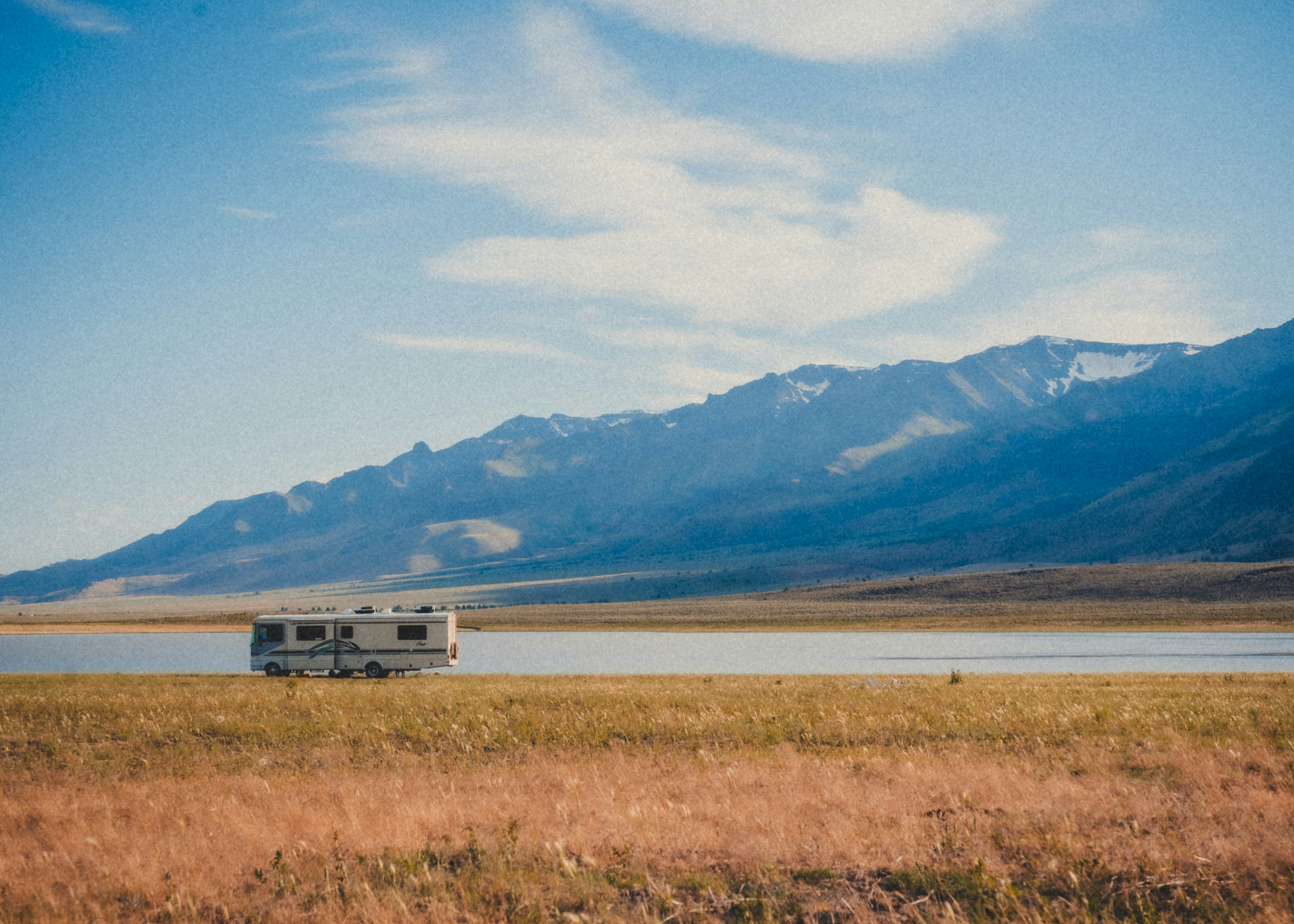
For many families and outdoor enthusiasts, a boat or RV is one of the largest recreational purchases they will ever make. These vehicles create opportunities for unforgettable experiences, whether that means exploring Michigan's Great Lakes shoreline, spending weekends at Kentucky's popular lake destinations, visiting campgrounds throughout Indiana, or discovering Ohio's extensive network of parks and recreation areas. However, while many owners focus heavily on maintenance schedules, upgrades, and trip planning, they often overlook one of the most important factors affecting the long-term condition of their investment: storage.
The reality is that boats and RVs spend far more time parked than they do being used. As a result, where and how they are stored can have a significant impact on their appearance, performance, maintenance requirements, and overall value. Proper storage helps reduce unnecessary wear while creating conditions that support a longer lifespan for the vehicle as a whole. For owners seeking convenient storage options in Michigan, Ohio, Indiana, and Kentucky, understanding the connection between storage and depreciation can help guide smarter ownership decisions for years to come.
Key Points for Readers Short on Time
- Boat and RV depreciation is inevitable, but poor storage habits often accelerate the process.
- Long-term storage helps protect exterior finishes, tires, batteries, roofing materials, and interior components.
- Consistent storage can reduce maintenance costs and improve future resale opportunities.
- Recreational vehicle owners throughout Michigan, Ohio, Indiana, and Kentucky often benefit from dedicated storage between adventures.
- Storage works best when combined with routine maintenance and preventative care.
Why Depreciation Matters More Than Most Owners Realize
Every vehicle depreciates. Boats and RVs are no exception. In fact, many recreational vehicles lose a noticeable portion of their value during the first several years of ownership. While depreciation is often viewed as unavoidable, the rate at which value declines is not entirely outside an owner's control. Condition plays a major role in determining resale value, and condition is directly influenced by how a vehicle is maintained and stored throughout its life. When prospective buyers evaluate a used boat or RV, they rarely focus on mileage or engine hours alone. Instead, they look for signs that indicate how well the vehicle has been cared for over time. Faded decals, damaged upholstery, cracked seals, worn tires, stained surfaces, and neglected finishes all create the impression that a vehicle may require additional repairs or maintenance.
Consequently, even relatively minor cosmetic issues can affect how buyers perceive value. On the other hand, a vehicle that appears clean, protected, and well-maintained often inspires greater confidence. Storage may not eliminate depreciation, but it can help slow many of the factors that contribute to accelerated value loss.
The Hidden Costs of Leaving a Boat or RV Unprotected
Many owners assume that parking a boat beside the house or leaving an RV in the driveway is a practical long-term solution. While this may seem convenient, extended exposure can gradually affect multiple components at once. The challenge is that deterioration often happens slowly. Because the damage develops over months or years, owners may not notice the impact until repairs become necessary or resale discussions begin.
Exterior Finishes and Appearance
First impressions matter, especially when it comes to resale value. Boat gel coats, RV paint finishes, graphics, trim pieces, and protective coatings naturally age over time. However, prolonged exposure can accelerate fading and surface deterioration. What begins as minor discoloration may eventually lead to more extensive cosmetic restoration projects. Furthermore, maintaining a vehicle's appearance is not simply about aesthetics. Exterior condition often serves as a visible indicator of overall ownership habits. Buyers frequently assume that a well-maintained exterior reflects similar attention to mechanical systems and interior components.
Tires Experience Wear Even While Parked
One of the most overlooked aspects of recreational vehicle ownership involves tire health. Many owners associate tire wear exclusively with driving. In reality, tires can deteriorate while sitting stationary for extended periods. Flat spotting, sidewall degradation, and uneven pressure distribution can all contribute to the need for premature replacement. Considering that replacing a full set of RV tires can represent a significant expense, protecting them through proper storage becomes a crucial component of long-term ownership.
Interior Components Can Age Faster Than Expected
The interior of a boat or RV contains numerous materials that require protection. Flooring, cabinetry, upholstery, electronics, appliances, and fixtures all contribute to both functionality and resale appeal. When a vehicle remains unused for long periods without proper storage considerations, these components may deteriorate faster than expected. As a result, owners often find themselves facing repairs that could have been minimized through better storage practices.
Mechanical Systems Require Consistency
Storage also affects systems that may not be immediately visible. Batteries, seals, hoses, and electrical components benefit from routine monitoring and protection. Without proper storage planning, small issues can develop into larger maintenance concerns that require both time and money to address.
How Storage Helps Preserve Value Over Time
Fortunately, many of the factors that contribute to depreciation can be managed proactively. Storage creates an environment that helps reduce unnecessary wear while supporting long-term vehicle preservation. Instead of constantly reacting to maintenance issues, owners can focus on prevention. More importantly, storage provides consistency. Vehicles that spend extended periods in dedicated storage environments often experience fewer cosmetic issues and less overall deterioration than those left exposed year-round. This preservation can influence everything from maintenance budgets to resale negotiations.
Storage Supports More Than Just Protection
One of the biggest misconceptions about storage is that it simply provides a place to park. In reality, storage serves several purposes simultaneously. First, it helps preserve the condition of the vehicle itself. Second, it can help owners stay organized by creating a dedicated location for their recreational equipment. Third, it contributes to long-term ownership satisfaction by reducing the likelihood of unexpected maintenance surprises. When viewed from this perspective, storage becomes an investment in the overall ownership experience rather than simply an additional expense.
Midwest Recreation Makes Long-Term Protection Even More Important
Throughout Michigan, Ohio, Indiana, and Kentucky, recreational vehicle ownership remains closely connected to outdoor adventure. Michigan's extensive freshwater coastline attracts boaters from across the country. According to the Michigan Department of Natural Resources, the state offers thousands of inland lakes, boating opportunities, and outdoor recreation destinations that support an active boating culture.
Similarly, Kentucky's popular lake destinations continue to attract both seasonal visitors and residents seeking boating opportunities throughout the year. Indiana offers numerous campgrounds, parks, and outdoor destinations that make RV ownership particularly appealing for families and travelers looking to explore the region. Meanwhile, Ohio's extensive park system and recreational areas create countless opportunities for weekend camping trips and outdoor adventures.
Additionally, the continued popularity of recreational boating nationwide demonstrates the enduring appeal of these investments. The National Marine Manufacturers Association reports strong participation in recreational boating activities throughout the United States, highlighting the importance of protecting vessels that continue to hold value in active resale markets. Because many owners only use their boats and RVs during specific periods of the year, storage naturally becomes an important bridge between one adventure and the next.
Why Maintenance and Storage Should Never Be Viewed Separately
Although storage provides substantial benefits, it works best when combined with a comprehensive maintenance strategy. Too often, owners view maintenance and storage as separate responsibilities. In reality, they complement one another. For example, a clean vehicle entering storage is easier to maintain than one stored with accumulated dirt, debris, or neglected issues. Likewise, routine inspections become more effective when vehicles are stored in organized environments that make monitoring easier. Consequently, the most successful long-term ownership strategies combine both approaches. This is also why many owners researching preservation techniques explore resources such as long-term storage solutions to better understand which options align with their vehicle type and usage habits.
Preparing a Boat or RV for Storage
The period immediately before storage presents an important opportunity to protect your investment. Rather than simply parking the vehicle and walking away, taking a few additional steps can improve outcomes significantly. A thorough cleaning helps remove dirt, residue, and contaminants that may become more difficult to address later. Inspecting seals, checking tire pressure, reviewing battery condition, and documenting maintenance needs can also help identify issues before they become larger concerns.
Furthermore, owners who are new to the storage process may benefit from reviewing practical guidance such as these first-time storage rental tips, which provide useful insights into selecting and preparing for storage. Although preparation requires a modest investment of time, it often pays dividends through reduced maintenance needs and improved vehicle condition.
The Long-Term Impact on Resale Value
Eventually, many owners decide to upgrade, downsize, or transition into a different boat or RV model. When that time arrives, condition becomes one of the most influential factors affecting buyer interest. Potential buyers are often willing to pay more for vehicles that demonstrate consistent care. A clean exterior, preserved interior, healthy tires, maintained systems, and evidence of responsible ownership can all contribute to stronger resale positioning. Conversely, visible signs of neglect often lead buyers to anticipate additional repair costs, resulting in lower offers and longer selling timelines. For that reason, storage should not be viewed solely as a short-term convenience. It is a long-term strategy that can continue delivering value years after the initial purchase.
Looking Beyond the Next Season
Boats and RVs are designed to help people enjoy the outdoors, spend time with family, and create lasting memories. At the same time, they represent significant financial investments that deserve thoughtful protection. While depreciation cannot be completely avoided, owners can influence how quickly it occurs. Storage helps reduce unnecessary wear, supports maintenance efforts, protects appearance, and contributes to overall vehicle longevity. As recreational vehicle owners throughout Michigan, Ohio, Indiana, and Kentucky continue exploring lakes, campgrounds, parks, and outdoor destinations, storage remains one of the most practical ways to preserve both enjoyment and value over the long term. National Storage offers access to:
- Storage options in Michigan
- Storage options in Ohio
- Storage options in Indiana
- Storage options in Kentucky
Ultimately, the goal is not simply to find a place to park a boat or RV. Rather, it is to create conditions that help preserve its condition, functionality, and value so that future adventures remain just as enjoyable as the first.
Categories