
Your Favorite Books Deserve Better: The Right Way to Store Books in a Storage Unit
Your Favorite Books Deserve Better: The Right Way to Store Books in a Storage Unit
Alicia Aguirre
June 22nd, 2026
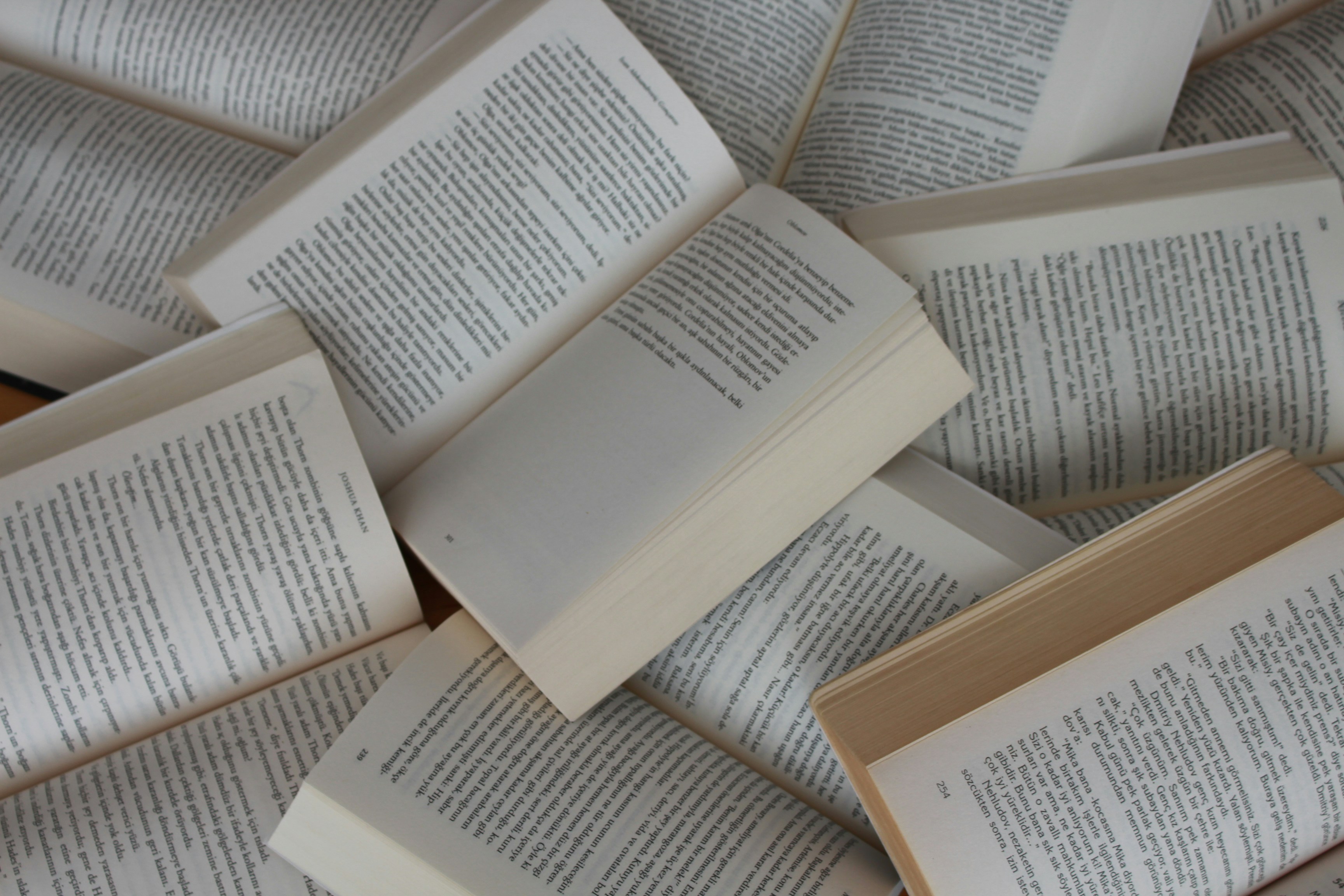
Books have a unique way of staying with us long after we've finished reading them. Some remind us of our favorite vacations, college courses, childhood adventures, or important life milestones. Others become treasured collections that grow over time, filling bookshelves with stories, knowledge, and memories. Because of their sentimental and practical value, books deserve thoughtful care whenever they need to be placed into storage. Unfortunately, many people assume books can simply be packed into boxes and forgotten about until they're needed again. However, paper is far more delicate than it appears. Changes in moisture levels, improper packing methods, pests, dust accumulation, and excessive pressure can all cause lasting damage. Once pages begin to warp or mold develops, restoration becomes difficult and often expensive.
Fortunately, protecting a book collection is not complicated when you understand the right approach. If you're storing a small personal library or hundreds of volumes, following a few proven techniques can help preserve your books for years to come. For those seeking storage throughout the Midwest, National Storage offers convenient storage options in Michigan, Ohio, Indiana, and Kentucky.
Key Points for Readers Short on Time
- Clean books before packing them into storage.
- Use sturdy boxes that protect books without becoming too heavy.
- Store books upright whenever possible to protect their bindings.
- Keep books away from moisture and direct contact with floors.
- Organize and label boxes so collections remain accessible over time.
Why Books Require Special Attention in Storage
At first glance, books may seem like one of the easiest household items to store. They don't contain electronics, they don't have moving parts, and many appear durable enough to withstand years of neglect. Yet books are made primarily from paper, adhesives, cloth, leather, and ink, all of which naturally deteriorate when exposed to poor storage conditions. Over time, environmental factors can slowly affect a collection. Moisture may cause pages to ripple or stick together. Dust can settle deep into bindings. Heavyweight can permanently distort covers and spines. Even books that appear fine from the outside can suffer internal damage when stored improperly for extended periods.
This is particularly important for collections that include rare editions, family heirlooms, signed copies, genealogy records, journals, cookbooks passed down through generations, or books that are difficult to replace. According to preservation specialists at the Library of Congress, stable storage conditions play a critical role in protecting paper materials and extending their lifespan. Their preservation guidance emphasizes minimizing environmental stressors that contribute to deterioration. The good news is that most storage-related damage is preventable. With proper preparation, books can remain in excellent condition even during long periods of storage.
Begin by Evaluating Your Collection
Before packing a single box, take some time to review your collection. While this may seem like an extra step, it often makes the entire storage process easier and more efficient. Start by sorting books into categories. Some people organize by genre, while others group books according to sentimental value, frequency of use, or size. This process not only improves organization but also provides an opportunity to identify books that may no longer need to be kept. As you sort, carefully inspect each book for signs of damage. Look for mold spots, loose bindings, torn pages, insect activity, or moisture stains. Addressing these issues beforehand can help prevent problems from spreading to nearby books.
Next, gently remove dust from covers and page edges. A soft microfiber cloth or clean brush is usually sufficient. Although this step may seem minor, dust can attract moisture and contribute to long-term deterioration if left untreated. By beginning with a clean and organized collection, you'll create a stronger foundation for successful storage.
Choosing the Right Storage Containers
Once your books are ready to pack, selecting appropriate containers becomes the next priority. Many people automatically reach for the largest boxes available. While this may seem efficient, oversized boxes often create problems because books are surprisingly heavy. A large box filled with books can quickly become difficult to lift and more likely to fail under its own weight. Instead, smaller sturdy boxes are often the better choice. They distribute weight more effectively and make transportation safer.
When evaluating containers, consider the following options:
- Heavy-duty cardboard boxes
- Archival quality storage boxes
- Durable plastic bins with secure lids
- Specialty containers designed for book collections
Regardless of the container type, cleanliness is essential. Avoid using boxes that previously held food, chemicals, cleaning products, or anything with strong odors. Paper absorbs odors easily, and those smells can remain trapped within books long after storage. At the same time, avoid containers that are damaged, crushed, or weakened. Structural integrity becomes especially important when books remain stacked for extended periods.
Packing Books Correctly Makes a Significant Difference
Even the best storage container cannot compensate for poor packing practices. How books are positioned inside a box directly affects their long-term condition. Whenever possible, books should be packed upright in the same position they occupy on a bookshelf. This natural orientation helps preserve the spine and prevents unnecessary stress on the bindings. However, not every book fits comfortably upright. Oversized coffee table books, atlases, and large reference volumes often benefit from being stored flat. When stacking books horizontally, place heavier books at the bottom and lighter books above them. Just as importantly, avoid placing books with their spines facing upward. Although this position may seem harmless, it can eventually pull pages away from the binding and weaken the structure of the book.
To further protect your collection:
- Fill empty spaces with packing paper to reduce shifting.
- Avoid overpacking containers.
- Do not force books into tight spaces.
- Keep similarly sized books together whenever possible.
- Separate valuable books using archival materials when appropriate.
These small details can significantly reduce wear and tear over time.
Understanding the Risks of Moisture
Of all the threats books face during storage, moisture is arguably the most damaging. Unlike visible impacts or physical crushing, moisture often works quietly. Damage may develop gradually over weeks or months before becoming noticeable. By the time mold appears, or pages begin to warp, significant deterioration may already have occurred. Because paper naturally absorbs moisture from the surrounding air, maintaining a dry storage environment becomes critical. Even slight exposure can lead to discoloration, odor development, and structural weakening.
The Smithsonian Institution's collections care resources emphasize the importance of protecting paper-based materials from excess humidity and unstable environmental conditions. Preservation professionals consistently identify moisture control as one of the most important factors in long-term paper conservation. For that reason, books should never be stored directly on concrete floors. Instead, use shelving, pallets, or elevated platforms to create separation from ground surfaces. Likewise, avoid wrapping books tightly in plastic. Although plastic may seem protective, it can trap moisture and create conditions that encourage mold growth. Breathable packing materials generally provide a safer alternative.
Long-Term Storage Requires a Long-Term Mindset
Many people focus heavily on packing but overlook accessibility. Yet one of the best ways to protect stored books is by making them easy to inspect and retrieve. For example, clearly labeling every box allows you to locate specific titles without opening multiple containers. Similarly, maintaining a simple inventory can save considerable time later. If you're storing a large collection, consider leaving small pathways within the storage unit. While this requires a bit more planning, it prevents unnecessary shifting and stacking whenever a particular book needs to be accessed.
Additionally, periodic inspections can help identify minor issues before they become serious problems. Checking on stored books once or twice each year allows you to monitor conditions and verify that containers remain secure. For readers planning to store belongings for extended periods, National Storage's guide discussing the best long-term storage solution offers additional insight into choosing storage approaches that support long-term preservation.
Protecting Photo Albums and Memory Books
Many households store more than traditional books. Photo albums, scrapbooks, yearbooks, family journals, and memory books often share shelf space with standard reading materials. These items frequently contain photographs, newspaper clippings, handwritten notes, and other delicate materials that require extra attention. Unlike ordinary books, many memory books contain adhesives and mixed media components that can become vulnerable over time.
Because of this, they should generally be stored separately from heavier books. Avoid stacking large volumes on top of albums, and whenever possible, use archival storage materials designed specifically for photographs. For additional guidance, National Storage provides helpful recommendations on packing pictures and photo albums for moving or storage. Taking a few extra precautions can help preserve irreplaceable family memories for future generations.
Book Collections and Midwest Living
Throughout Michigan, Ohio, Indiana, and Kentucky, books often play an important role in preserving local history, outdoor traditions, and family heritage. For example, many residents maintain collections focused on Great Lakes history, regional travel, state parks, and local culture. Others collect guides related to hiking, fishing, camping, and outdoor recreation throughout the Midwest. Organizations such as Pure Michigan highlight countless destinations, cultural attractions, museums, and recreational experiences that inspire readers and collectors alike. From historical landmarks to scenic trails and lakeside communities, these experiences often find their way onto bookshelves as guidebooks, memoirs, and keepsake collections.
Likewise, Ohio's vibrant arts scene, Indiana's rich historical destinations, and Kentucky's renowned cultural heritage encourage many residents to build personal libraries that reflect their interests and experiences. As these collections grow, proper storage becomes an important part of preserving them for future enjoyment.
Common Mistakes That Damage Books in Storage
Even well-intentioned storage efforts can go wrong when a few common mistakes occur. One of the most frequent errors is using oversized boxes that become excessively heavy. These containers often fail during transport and place unnecessary pressure on books at the bottom. Another mistake involves packing books too tightly. While it may seem efficient, excessive pressure can warp covers and damage bindings. People also sometimes forget to clean books before storage, allowing dust and debris to remain trapped for years. Similarly, storing books directly against walls or floors can expose them to hidden moisture. Finally, many collections suffer from simple neglect. Books placed into storage and never checked again may develop issues that could have been prevented through occasional inspections. Avoiding these mistakes dramatically improves the likelihood that your collection will remain in excellent condition.
Books often represent years of learning, collecting, and personal history. Whether your shelves contain beloved novels, professional reference materials, family records, or treasured keepsakes, proper storage helps ensure those items remain protected for the future. Fortunately, preserving books does not require complicated techniques. By cleaning books before packing, selecting appropriate containers, storing them correctly, protecting them from moisture, and maintaining organization, you can significantly reduce the risk of long-term damage. For those exploring storage throughout the Midwest, National Storage offers convenient facility locations across the region:
- Storage options in Michigan
- Storage options in Ohio
- Storage options in Indiana
- Storage options in Kentucky
With the right preparation and storage strategy, your books can remain in excellent condition and ready to be enjoyed whenever you decide to open them again.
Categories