
Your Leather Sofa Deserves Better: Expert Storage Strategies That Help Leather Furniture Stay Beautiful for Years
Your Leather Sofa Deserves Better: Expert Storage Strategies That Help Leather Furniture Stay Beautiful for Years
Alicia Aguirre
June 22nd, 2026
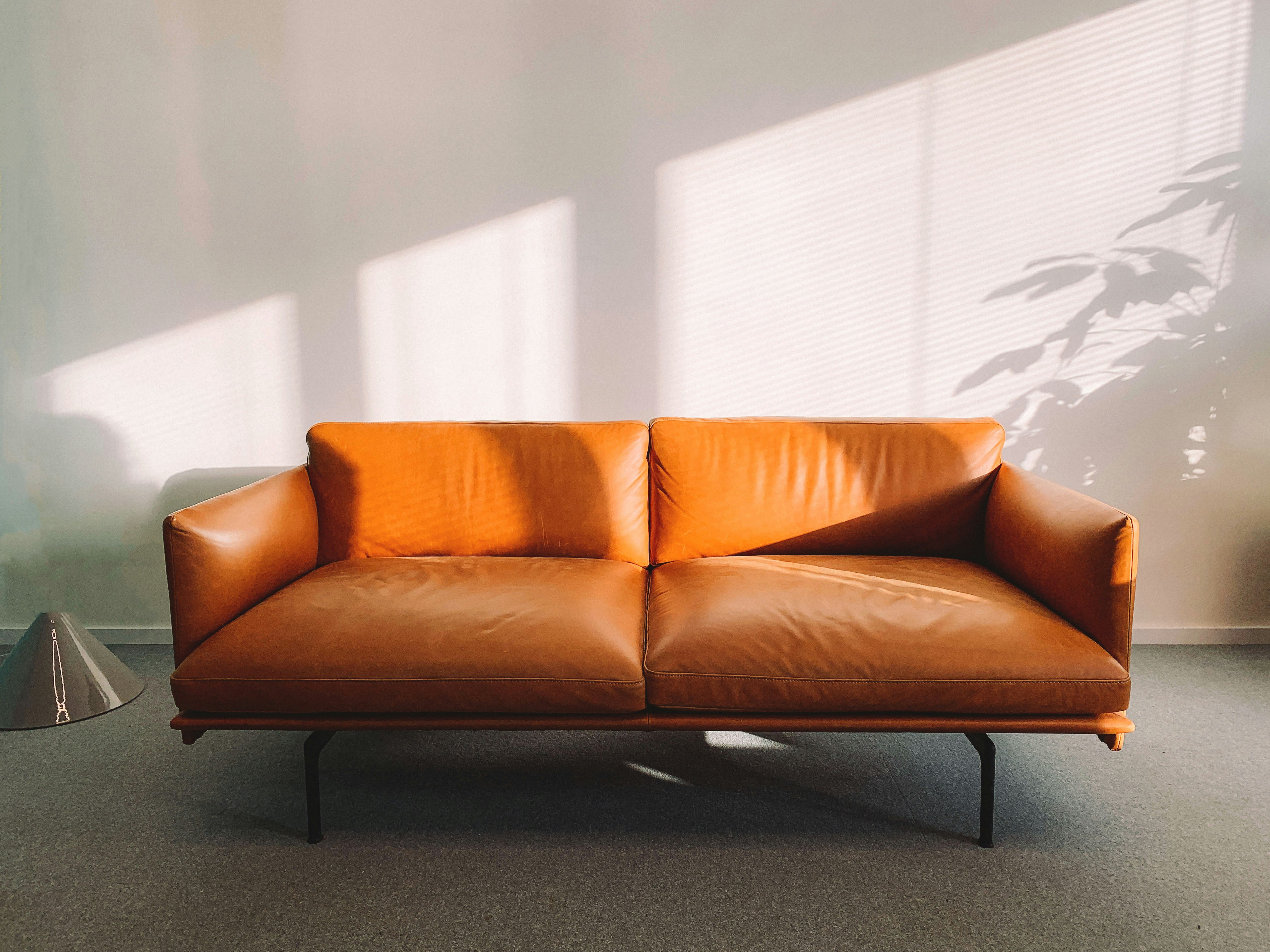
Leather furniture has a way of becoming one of the most valued pieces in a home. A well-crafted leather sofa, recliner, or accent chair often serves as a gathering place for family conversations, quiet evenings, and memorable occasions. Because leather is known for its durability and timeless appearance, many homeowners assume it can withstand almost anything. However, when it comes to long-term storage, leather requires a bit more attention than many other furniture materials. Unlike synthetic upholstery, leather is a natural material that reacts to its environment. Changes in air quality, moisture levels, and storage conditions can all affect its appearance and longevity. As a result, proper preparation and storage practices are essential for protecting your investment and helping it maintain its beauty for years to come.
Throughout the Midwest, homeowners frequently use self-storage during home renovations, relocations, estate transitions, or major decluttering projects. Whether you are researching storage options in Michigan, Ohio, Indiana, or Kentucky, understanding how to properly store leather furniture can make a significant difference in its long-term condition. Fortunately, preserving leather furniture in storage is not complicated. With the right preparation, thoughtful placement, and ongoing care, you can help ensure that your furniture emerges from storage looking just as impressive as it did when it was first packed away.
Key Points for Readers Short on Time
- Clean leather furniture thoroughly before placing it into storage.
- Apply a quality leather conditioner to help prevent drying and cracking.
- Use breathable covers instead of plastic wrap whenever possible.
- Keep furniture elevated and allow space for airflow throughout the unit.
- Inspect stored furniture periodically to identify potential issues early.
Why Leather Furniture Requires a Different Storage Approach
Many furniture materials can tolerate a wide range of storage conditions without showing immediate signs of damage. Leather, however, behaves differently. Because it is a natural material, it continues to respond to its surroundings even while sitting unused inside a storage unit. Over time, leather naturally loses some of the oils that help maintain its softness and flexibility. When furniture is placed in unsuitable storage conditions, that process can accelerate. Consequently, the leather may become stiff, brittle, or prone to cracking. At the same time, excessive moisture can create an entirely different set of challenges, including mildew growth, discoloration, and unpleasant odors.
According to the Leather and Hide Council of America, maintaining clean conditions and appropriate environmental control plays an important role in preserving leather products over time. These preventative measures help protect the material's appearance while supporting its long-term durability. Understanding these vulnerabilities is the first step toward creating a storage strategy that truly protects your furniture.
Begin with a Thorough Cleaning
Before any piece of leather furniture enters storage, it should receive a comprehensive cleaning. While this may seem like a simple step, it is often one of the most important parts of the entire storage process. Throughout everyday use, leather furniture accumulates body oils, dust, food particles, pet hair, and other debris. Although these contaminants may appear harmless at first glance, they can become more problematic when left on the surface for months at a time. During storage, dirt and oils may settle deeper into the leather, making future cleaning more difficult and potentially affecting the finish.
Start by vacuuming crevices and seams with a soft brush attachment. Next, wipe down the entire piece using a microfiber cloth to remove loose dust. Once the surface has been cleared, apply a leather cleaner that is specifically formulated for furniture. Take extra care when cleaning areas that experience the most contact during normal use, including:
- Armrests
- Headrests
- Seat cushions
- Back cushions
- Decorative stitching and seams
After cleaning, allow the furniture to dry completely. This step is particularly important because trapping moisture inside covers or storage materials can create avoidable problems later.
Condition the Leather Before It Goes Into Storage
Once the furniture has been cleaned and dried, the next step involves restoring moisture to the leather itself. Leather conditioner helps replenish natural oils that gradually diminish over time. While furniture remains in active use, some of these oils are maintained through normal environmental exposure and regular care. However, during extended periods in storage, leather can lose moisture more quickly. For this reason, applying conditioner before storage provides an added layer of protection. The conditioner helps keep the material flexible while reducing the likelihood of cracking, drying, or fading.
Apply the conditioner according to the manufacturer's instructions and allow sufficient time for absorption. Rather than saturating the leather, the goal is to provide balanced nourishment that supports long-term preservation. Although this step may only take a short amount of time, it can have a significant impact on how the furniture looks and feels once it is removed from storage months later.
Choosing the Right Storage Unit Matters More Than Many People Realize
Even perfectly prepared furniture can experience issues if it is placed in an unsuitable storage environment. Therefore, selecting the right storage unit deserves careful consideration. When evaluating storage options, it is helpful to understand the differences between various unit types and storage configurations. National Storage explores these considerations in our guide to indoor or outdoor storage options, which discusses how different storage environments may affect personal belongings.
Before moving furniture into a unit, inspect the space carefully. Look for signs of leaks, standing water, pest activity, excessive dust accumulation, or other indicators that may suggest potential concerns. A clean, well-maintained storage environment creates a stronger foundation for protecting leather furniture over the long term. In many cases, the condition of the storage unit itself can influence the success of your storage efforts just as much as the preparation process.
Why Plastic Wrapping Can Sometimes Do More Harm Than Good
Many people assume that wrapping furniture tightly in plastic offers the highest level of protection. While plastic can certainly shield furniture from dust during transportation, it is often not the best solution for long-term storage. The primary issue is that plastic restricts airflow. As a result, moisture may become trapped against the leather surface. Over time, this trapped moisture can contribute to mildew growth, musty odors, and surface damage.
Instead, choose breathable furniture covers, cotton sheets, or moving blankets designed specifically for furniture protection. These materials help keep dust away while still allowing air circulation around the leather. This balance is especially important because leather benefits from a stable environment where moisture can dissipate naturally rather than becoming trapped beneath a sealed covering. If plastic is used during transport, consider removing it once the furniture has been positioned inside the storage unit and replacing it with a breathable alternative.
Elevating Furniture Provides an Extra Layer of Protection
Another often overlooked strategy involves keeping furniture off the storage unit floor. Even in well-maintained facilities, elevating furniture creates additional protection against unexpected moisture exposure while promoting airflow beneath the piece. Furthermore, raising furniture can help reduce direct contact with dust and debris that may accumulate over time. Wooden pallets, furniture risers, or sturdy platforms can all accomplish this goal effectively. The objective is not necessarily to lift furniture very high, but rather to create enough separation to improve airflow and add protection. This recommendation is particularly valuable for larger items such as sectionals, recliners, and oversized leather sofas, which may remain in the same position for extended periods.
Give Leather Furniture Room to Breathe
As storage units begin filling with boxes and household items, it can be tempting to maximize every available inch of space. However, overcrowding can create several challenges for leather furniture. First, restricted airflow can make it more difficult for moisture to dissipate naturally. Second, furniture that is packed too tightly may experience unnecessary pressure from surrounding objects. Over time, this pressure can create indentations, stretched upholstery, or structural stress.
Instead of treating furniture as a platform for stacking heavy boxes, maintain clear space around major pieces whenever possible. This approach promotes air circulation while reducing the risk of accidental damage. Although leaving extra space may seem inefficient initially, it often contributes significantly to long-term furniture preservation.
Disassemble Large Pieces Whenever Possible
Large furniture pieces are often easier to protect when partially disassembled before storage. Removing detachable legs, cushions, sectional connectors, or other removable components helps reduce strain during transportation and storage. Additionally, disassembly can make furniture easier to position within the unit while minimizing accidental impacts during loading. Store hardware in clearly labeled bags and secure those bags to the corresponding furniture piece whenever possible. This simple organizational step can save considerable frustration when it is time to reassemble everything later. For antique, designer, or particularly valuable furniture, reviewing manufacturer recommendations before disassembly may provide additional guidance.
Protect Furniture From Pests and Unwanted Intrusions
Although leather itself is not typically attractive as a food source, furniture can still become a target for pests seeking shelter. Rodents and insects may nest inside cushions or hidden compartments if conditions allow. Therefore, maintaining a clean storage environment remains an important part of furniture protection.
Avoid storing food products, scented items, pet supplies, or organic materials near leather furniture. In addition, keep boxes organized and eliminate unnecessary clutter that could create hiding places. Cleanliness and environmental management are key principles for preserving furnishings and historic materials. These same principles apply effectively to modern furniture storage as well. A clean storage unit often serves as the best first line of defense against pest-related damage.
Schedule Periodic Check-ins Throughout the Storage Period
One of the most effective ways to protect leather furniture is surprisingly simple: check on it occasionally. Many people place furniture into storage and assume everything will remain exactly as it was left. However, periodic inspections provide opportunities to identify small issues before they become significant problems. Every few months, consider visiting the storage unit to evaluate conditions. During these visits, look for:
- Signs of moisture
- Mildew or unusual odors
- Shifting boxes or stacked items
- Pest activity
- Cover displacement
- Changes in furniture condition
These inspections typically require very little time, yet they can help preserve furniture quality throughout extended storage periods.
How Midwest Homeowners Commonly Use Storage During Lifestyle Changes
Across Michigan, Ohio, Indiana, and Kentucky, storage frequently becomes part of larger lifestyle transitions. Families may temporarily store furniture while remodeling a home, preparing a property for sale, reorganizing living spaces, or creating room for new furnishings. Many residents also take advantage of the region's recreational opportunities throughout the year. Popular destinations highlighted by organizations such as Pure Michigan and Kentucky Tourism attract visitors seeking outdoor recreation, cultural experiences, and scenic getaways. During these transitions and projects, storage solutions often help homeowners manage household belongings without sacrificing valuable furniture. Individuals who are new to self-storage may also find useful information in our guide to first-time storage rental tips, which covers important considerations when selecting and organizing a storage unit.
Common Leather Storage Mistakes That Can Shorten Furniture Lifespan
Even with good intentions, a few common mistakes can undermine otherwise effective storage efforts. One of the biggest mistakes is placing furniture into storage without cleaning it first. Another frequent issue involves using airtight plastic coverings for extended periods. Likewise, stacking heavy items directly on leather surfaces can create permanent impressions that may never fully recover. Other mistakes include neglecting routine inspections, placing furniture directly against walls, and storing pieces in overcrowded conditions with limited airflow. Fortunately, most of these issues are entirely preventable with proper planning and a little extra attention before storage begins.
Leather furniture often becomes one of the most valuable and visually striking elements in a home. Because of that, protecting it during storage deserves careful consideration. By cleaning and conditioning the leather, selecting an appropriate storage environment, using breathable coverings, and maintaining adequate airflow, homeowners can significantly reduce the risk of long-term damage. Just as importantly, periodic inspections and thoughtful organization help ensure that furniture remains in excellent condition throughout its time in storage. Small preventative measures today can help preserve comfort, appearance, and value for years to come. Whether you are exploring storage options in Michigan, Ohio, Indiana, or Kentucky, understanding how to properly store leather furniture can help ensure that your favorite pieces remain beautiful, functional, and ready for future use whenever you need them again.
Categories