
From First Pressings to Family Favorites: How to Store Vinyl Records Long Term Without Losing Their Sound
From First Pressings to Family Favorites: How to Store Vinyl Records Long Term Without Losing Their Sound
Alicia Aguirre
June 22nd, 2026
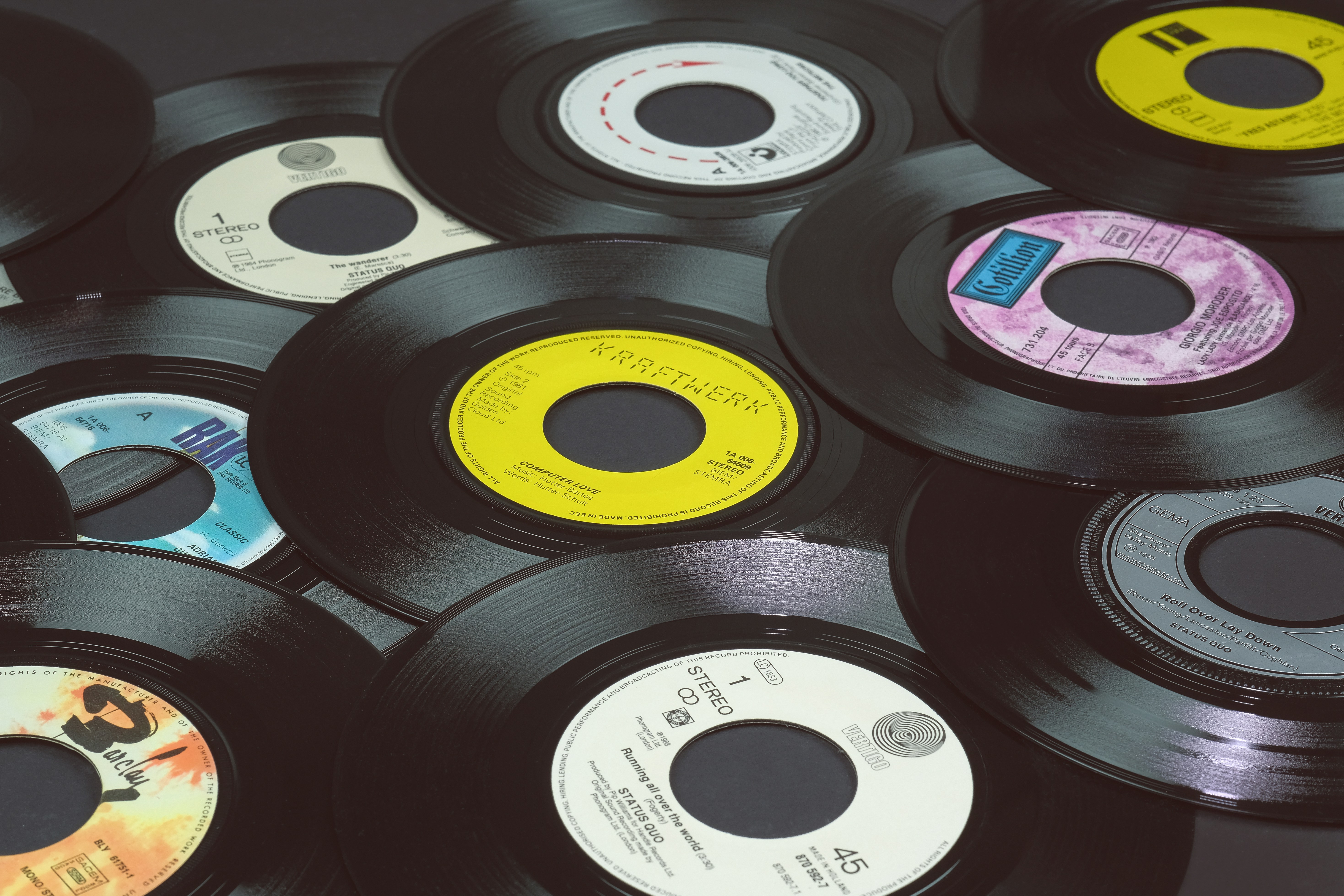
Vinyl records have experienced an incredible resurgence over the past decade. While streaming services offer convenience, many music lovers still appreciate the rich sound, large-format artwork, and hands-on experience that records provide. For some collectors, vinyl represents decades of memories. For others, it is a growing hobby built around discovering new artists, hunting for rare pressings, and preserving pieces of music history. As collections continue to grow, however, storage quickly becomes a challenge. Shelves fill up, living spaces become crowded, and valuable albums can end up stacked in less-than-ideal locations. When records are not stored properly, they become vulnerable to warping, dust buildup, damaged jackets, and other forms of deterioration that can permanently affect both their value and listening quality.
That is why long-term storage requires more than simply placing albums in a box and forgetting about them. Whether you have a modest collection of favorite records or thousands of albums accumulated over many years, understanding how to store vinyl correctly can help preserve both their condition and their sound. For collectors looking to create additional space while keeping treasured belongings protected, National Storage offers convenient storage options in Michigan, Ohio, Indiana, and Kentucky. The good news is that preserving vinyl is not complicated. A few smart storage habits can make a significant difference in how your collection ages over time.
Key Points for Readers Short on Time
- Always store records vertically rather than stacking them flat.
- Protect albums with both inner sleeves and outer sleeves.
- Keep vinyl away from excessive heat and direct sunlight.
- Clean records before placing them into long-term storage.
- Periodically inspect your collection to catch potential issues early.
Why Vinyl Records Require Special Storage Considerations
Unlike many household items, vinyl records are surprisingly sensitive to their environment. Although records are durable enough to be played repeatedly for decades, they can also suffer permanent damage when stored incorrectly. One of the biggest misconceptions among new collectors is that records can simply be treated like books. While both may sit on shelves, vinyl records are made from materials that react differently to pressure and temperature changes. Over time, even minor storage mistakes can gradually affect playback quality, artwork condition, and overall value. This is especially important for collectors who own original pressings, limited editions, or albums with sentimental significance. Replacing a damaged record is not always possible, and even when it is, finding the same condition and packaging can be difficult.
According to the Library of Congress Preservation Directorate, maintaining stable storage conditions is one of the most effective ways to preserve audio recordings and archival materials. While professional archives operate on a much larger scale, many of the same principles apply to personal collections. Understanding these risks is the first step toward creating a storage strategy that protects your collection for years to come.
The Golden Rule: Always Store Records Vertically
If there is one piece of advice every vinyl collector should remember, it is this: records should always be stored upright. At first glance, stacking records flat may seem harmless. In fact, many people assume that a neatly stacked pile is safer than a shelf full of albums standing vertically. However, the opposite is true. When records are stacked horizontally, the weight from the albums on top places continuous pressure on the records beneath them. Over months and years, this pressure can contribute to warping, sleeve damage, and even groove distortion. What begins as a small bend can eventually become a noticeable playback issue.
Storing records vertically distributes weight more evenly and allows each album to support itself properly. At the same time, records should not be packed so tightly that they become difficult to remove. Excessive pressure from overcrowded shelving can create its own set of problems. Instead, aim for a balance. Records should stand comfortably upright with enough room to browse through the collection without forcing albums in or out. Many collectors compare proper vinyl storage to maintaining a well-organized library. The easier albums are to access, the less handling stress they experience over time.
Protective Sleeves Are Worth the Investment
Once records are positioned correctly, the next priority is protection from dust, friction, and everyday wear. Although most albums come with original paper sleeves, these sleeves often provide minimal long-term protection. Over time, paper can tear, shed fibers, and contribute to static buildup that attracts dust particles. For this reason, experienced collectors typically use archival-quality inner sleeves designed specifically for vinyl records. These sleeves help reduce static electricity while creating a smoother barrier between the record and its jacket.
Outer sleeves serve an equally important purpose. Album covers frequently show signs of wear long before the record itself becomes damaged. Corners bend, artwork fades, and edges become scuffed through normal handling. Protective outer sleeves help preserve the visual appeal of album artwork while minimizing shelf wear. Interestingly, many of these same preservation principles apply to other collectible items. Books, for example, benefit from similar storage techniques that prioritize protection and organization. Readers interested in preserving their personal libraries may also enjoy Your Favorite Books Deserve Better: The Right Way to Store Books in a Storage Unit.
Heat Is One of Vinyl's Biggest Enemies
While scratches often receive the most attention, heat causes some of the most serious and irreversible damage to vinyl records. Because vinyl softens when exposed to elevated temperatures, prolonged heat exposure can gradually change a record's shape. Once warping occurs, the damage is often permanent. Unfortunately, many common household storage locations expose collections to unnecessary risk. Garages, attics, sheds, and vehicles can experience significant temperature fluctuations throughout the year. Even if records appear fine initially, repeated exposure to changing conditions can eventually affect their condition.
Instead, records should be stored in areas that maintain relatively stable indoor temperatures. Direct sunlight should also be avoided whenever possible, since prolonged exposure can heat album jackets and vinyl surfaces even inside climate-controlled environments. Collectors who have invested years building their libraries often discover that prevention is far easier than attempting to repair damaged records later.
Choosing the Right Storage Containers Makes a Difference
As collections expand, many people eventually reach a point where shelving alone is no longer practical. At that stage, selecting appropriate storage containers becomes increasingly important. Records are heavier than many people realize, and ordinary cardboard boxes are not always designed to support their weight over extended periods. Specialized record storage boxes offer several advantages. They provide structural support, reduce shifting during transport, and help maintain proper vertical positioning. Additionally, they are typically sized specifically for LP dimensions, which minimizes unnecessary movement inside the box.
Organization also becomes easier when records are stored in appropriately sized containers. Albums can remain grouped by artist, genre, or era without creating excessive pressure on individual records. When using storage boxes, avoid overfilling them. While it may be tempting to maximize space, leaving a small amount of breathing room helps reduce stress on both the records and their jackets.
Clean Records Before Storing Them Away
Before placing records into long-term storage, it is worth taking time to clean them properly. Dust, fingerprints, and airborne contaminants naturally accumulate on record surfaces during regular use. If left untreated, these particles can settle deeper into grooves and become more difficult to remove later. Cleaning records before storage offers several benefits. Not only does it preserve sound quality, but it also reduces the likelihood of dirt transferring to sleeves and jackets.
Proper care and handling practices play an important role in preserving the performance and longevity of vinyl collections. Simple maintenance habits often produce noticeable improvements in playback quality. For best results, records should be returned to clean inner sleeves immediately after cleaning. Reusing heavily worn or dusty sleeves can undermine the effort that went into preserving the record itself.
Don't Overlook Album Artwork and Inserts
For many collectors, the album cover is just as important as the music inside. Iconic artwork, lyric sheets, posters, photographs, and promotional inserts all contribute to the overall experience of owning vinyl. In some cases, these materials significantly affect a record's collectible value. Because of this, preservation should extend beyond the vinyl itself. Album jackets are especially vulnerable to corner damage, moisture exposure, and surface wear. Even minor deterioration can impact the overall presentation of a collection.
Collectors who preserve other personal keepsakes often face similar concerns. Family photographs, scrapbooks, and memorabilia all require thoughtful storage to remain in good condition. Many of these same strategies are discussed in How to Pack Pictures and Photo Albums for Moving or Storage. Taking care of accompanying materials helps ensure the complete album experience remains intact for future listening sessions.
Growing Collections and Music Culture Throughout the Midwest
Vinyl collecting continues to thrive throughout Michigan, Ohio, Indiana, and Kentucky, where music culture remains an important part of community life. In Ohio, many music enthusiasts make visits to the Rock & Roll Hall of Fame in Cleveland, which celebrates artists and recordings that shaped modern music. Michigan continues to attract visitors interested in Detroit's legendary contributions to Motown and American music history. Meanwhile, Indiana and Kentucky host a variety of music festivals, local record fairs, bluegrass events, and cultural gatherings that bring collectors together throughout the year. These experiences often inspire collectors to expand their libraries, discover new artists, and add meaningful pieces to their collections. As albums accumulate over time, thoughtful storage becomes increasingly valuable. A collection that starts with a handful of favorite records can quickly grow into a substantial archive deserving of long-term protection.
Periodic Checkups Help Preserve Collections for Decades
Even when records are stored properly, occasional inspections remain an important part of preservation. Long-term storage should not mean permanent neglect. Instead, consider checking your collection several times each year. A brief review allows you to identify potential concerns before they become larger problems.
Look for signs of:
- Warping
- Dust accumulation
- Sleeve deterioration
- Mold or moisture issues
- Excessive pressure from overcrowded shelving
Regular inspections also provide an opportunity to reorganize albums, replace worn sleeves, and clean records that may have collected dust over time. Small maintenance efforts performed consistently often produce better long-term results than major restoration projects later.
Preserving the Soundtrack of Your Life
Every vinyl collection tells a story. Some albums mark important life moments. Others represent years of searching through record stores, estate sales, and music festivals. Whether a collection contains fifty records or five thousand, preserving those recordings means protecting memories as much as music. Fortunately, long-term vinyl storage does not require complicated techniques. Storing records vertically, maintaining stable conditions, using protective sleeves, cleaning albums regularly, and staying organized can significantly extend the life of a collection.
For collectors seeking additional space while maintaining access to valued belongings, National Storage offers:
- Storage options in Michigan
- Storage options in Ohio
- Storage options in Indiana
- Storage options in Kentucky
With proper care and thoughtful storage practices, today's favorite records can continue spinning for decades, preserving the music, memories, and stories that make vinyl collecting such a rewarding hobby.
Categories